


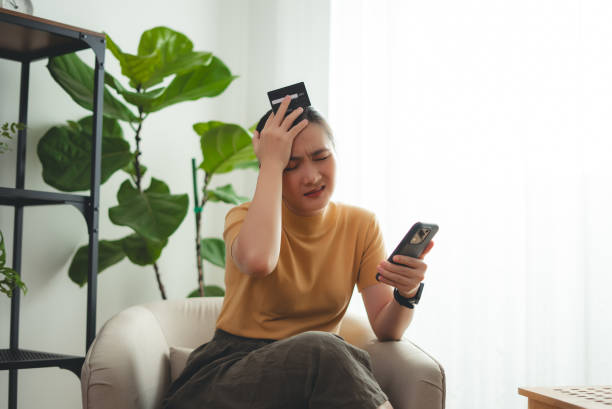
Key Takeaways
Social media contributes to positive mental well-being by providing a place to express and find supportive communities.
Social media can also affect your mental health negatively by making you addicted, stressed, sleep-deprived, and depressed.
Setting boundaries for your social media usage can help to reduce the negative impact on your mental health.
We are living in a world where we cannot escape from social media platforms. They have become quite integral in everybody’s lives. Of course, it offers many benefits, like opportunities for growth and self-expression. But, at the same time, research has shown that social media has affected people’s health, from teens to adults. In this article, we’ll read about how social media impacts your mental health.
Positive Effects of Social Media on Mental Health
Features like receiving essential updates, social connections, and finding new hobbies and opportunities in real-time have made social media platforms ubiquitous. Here is how using social media is good for your mental well-being:
1. Tool of Self-expression
Social media’s main appeal is providing a platform where people can express themselves in any way they feel comfortable. A study has found this ability of social media makes people happy and can promote mental health.
2. Reduces Isolation
Social media helps you find new people and connect with those with whom you share interests and experiences. This sense of community can make you feel connected and reduce loneliness.
3. Social Support
Social media platforms can be a mental health booster when you feel the need to communicate with people who can support you in your time of need.
4. Increases awareness
These platforms are regularly updated with the latest trends, current events, and information that can help you find required resources on mental health and similar topics.
Negative Effects of Social Media on Mental Health
With every pro comes a con, and social media is not far behind. It can foster different mental health conditions that can make your life difficult:
1. Stress
People can get stressed because of the expectation to perform well and get praise in the form of hearts and comments than most people to reach a certain standard. They can also get stressed when getting outside validation.
A study on social media shows how it is negatively impacting its users. According to the research, social media is a significant element in increasing the levels of anxiety and stress in individuals.
2. Anxiety
Similar to the reasons for stress, social media users can also experience anxiety. Some of the most common reasons why people get into the hold of this mental health condition are when your certain post doesn’t perform well or when you get pressure to showcase a perfect image of your life on social media to uphold the social image.
FOMO (Fear Of Missing Out) is also a common reason to feel anxious over social media. This all can have lasting effects on your mental health. Vivek Murthy, US General Surgeon, has issued an advisory on the use of social media and quotes:-
“We see rates of depression and anxiety and suicide and loneliness going up among young people, and I’m concerned that social media is an important driver of that youth mental health crisis.”
3. Depression
Depression is among the most common mental health conditions that people all over the world face. And since the introduction of social media, the depression cases have only increased. The reason why people get depressed is because when your idea or post doesn’t meet with the expected results, like a particular amount of likes or comments, then it takes a toll on their mental health, and they get depressing thoughts.
Alexa Assimos, a licensed therapist and certified alcohol and drug counselor, quotes,:-
“When our own social media personas aren’t rewarded with love belonging or an increase in self-esteem, this can easily lead to depression and anxiety.”
4. Sleep Deprivation
It has been seen that people can develop poor sleep habits due to social media. How? Many social media users have made it a daily habit to use electronic devices like phones and tablets—even on our beds as we go to sleep. This can disrupt your sleep pattern and lead to insomnia.
5. Addiction
In a study of 1870 study subjects, research concluded that one-third of subjects were addicted to social media. Activities like continuously checking our feeds and others’ profiles and doing other tasks on these platforms can make you addicted and even change your behavior.
If you have any concerns regarding time spent on social media, it would be wise to take an assessment that will help you determine its effect on your life.
Ways to Combat Social Media’s Negative Impacts
Social media has captured the world with its alluring ability to connect and bring people different opportunities. But, the activities done on these platforms can affect your mental and physical health quite negatively, too. Here are the ways to relieve from the negative impacts of social media:
1. Find Balance
Set boundaries regarding different platforms. For example, use an app for one hour daily across all platforms. Then, sign off and do some other mindfulness activities.
2.Take Regular Digital Detox
Taking breaks regularly from social media can decrease your chances of getting addicted to them and give you time to focus on other activities.
3.Turn off Notifications
Notifications can make you go back to social networking sites when you see them on your device, and that can lead to the chances of developing an addiction to social media.
Conclusion
There is no way to get rid of social media, but you can try to get into the practice of handling it nicely so that it doesn’t affect your mental health. Things like setting a time limit, making accounts at only particular sites, and similar practices can help maintain a balanced life with social media.
