


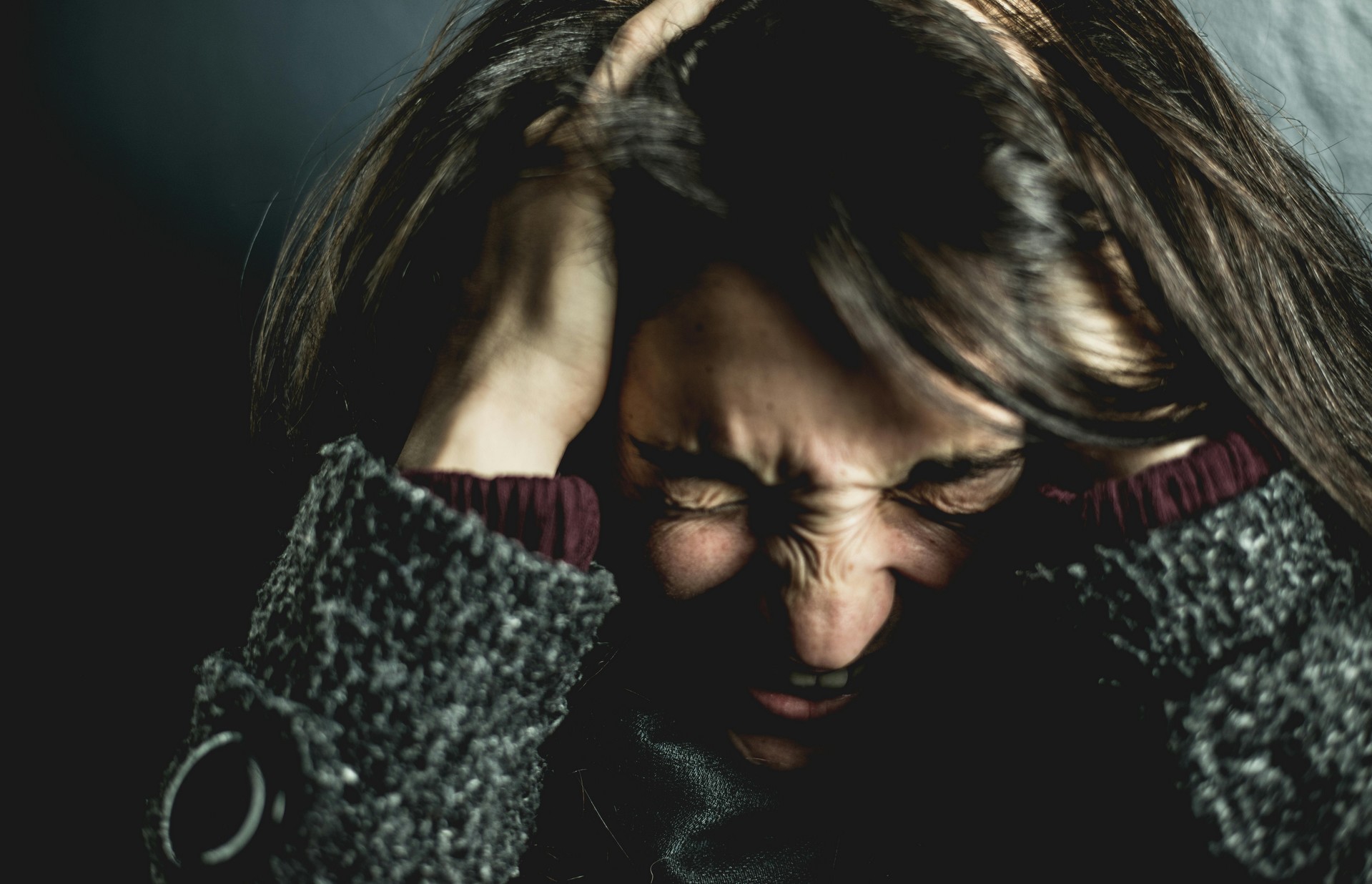
Headache disorders represent a significant global health challenge, affecting a substantial portion of the world’s population. 1 These conditions are among the most common disorders of the nervous system, impacting individuals across all ages and socioeconomic backgrounds. 2
The Global Impact of Headache Disorders
The sheer scale of this issue is underscored by the fact that over half of the global population experiences a headache disorder each year, with estimates from a comprehensive review of studies up to 2020 indicating a prevalence of 52.0%. 3 This translates to approximately 3.1 billion people affected globally in 2021. 2 The impact of these disorders extends beyond mere discomfort, as headaches are a leading cause of absence from work and school, significantly contributing to the global burden of disease. 1
In 2019, headache disorders ranked third among neurological conditions in terms of disability-adjusted life years (DALYs), a measure of overall disease burden. 2 Migraine, a specific type of headache disorder, is a major contributor to this burden, ranking as the second largest cause of disability due to neurological conditions in 2016. 4
The widespread nature of headache disorders highlights the critical need for a thorough understanding and the implementation of effective management strategies.
The consistency in prevalence estimates across numerous independent studies underscores the reliability of these figures, pointing to a major global health concern that merits detailed exploration.
Despite the high prevalence and significant impact of headache disorders, a notable disparity exists in diagnosis and treatment. It is estimated that only a minority of individuals experiencing these conditions receive appropriate diagnosis and care from healthcare providers. 1
Low consultation rates in developed countries suggest that many affected individuals may be unaware that effective treatments are available. 1 This gap between the large number of people affected and the relatively small proportion receiving adequate care emphasizes the necessity for improved awareness, enhanced access to healthcare services, and the availability of effective treatment options.
This article aims to contribute to bridging this gap by providing a comprehensive and scientifically supported overview of headache disorders, offering valuable information to those seeking to understand and manage these conditions.
What is a headache?
Headaches, at their core, are characterized by pain in any region of the head, with considerable variation in both the location and intensity of this discomfort.
These experiences can range from infrequent and brief episodes, known as episodic headaches, to those that persist for weeks or recur on a daily basis, classified as chronic headaches. 1
The distinction between these forms is not merely a matter of frequency; it often reflects differences in the underlying mechanisms and can significantly influence the approach to treatment.
For instance, chronic tension-type headache is defined by the occurrence of headache on 15 or more days per month for over three months 2 , while chronic migraine is characterized by headache on 15 or more days per month for more than three months, with migraine features present on at least 8 of those days. 3
Chronic migraine has a notable prevalence, affecting an estimated 1.4% to 2.2% of the general population. 4 Similarly, chronic cluster headache involves attacks occurring for more than a year without remission or with remission periods lasting less than one month. 3
The categorization into episodic and chronic forms is therefore essential for both understanding the individual’s experience and guiding the selection of appropriate treatment strategies.
Chronic headaches, due to their persistent nature, can impose a greater burden on an individual’s quality of life and may necessitate more intensive and sustained management.
Symptoms
Beyond the head pain itself, headaches can be accompanied by a range of other symptoms that vary depending on the type of headache.
Nausea and vomiting are common companions of migraine attacks, with studies indicating that these symptoms are experienced by a significant majority of migraine sufferers. 1
Sensitivity to light (photophobia) and sound (phonophobia) are also hallmark features of migraine.
In contrast, tension-type headaches are often associated with tenderness in the scalp, neck, and shoulder muscles, contributing to the sensation of pressure or tightness.
Trigeminal autonomic cephalalgias (TACs) are distinguished by the presence of cranial autonomic symptoms, which can include conjunctival injection (redness of the eye), lacrimation (tearing), rhinorrhea (runny nose), nasal congestion, and eyelid edema.
Other autonomic signs such as ptosis (drooping eyelid) and miosis (pupil constriction) may also be present in TACs.
Additionally, individuals experiencing TACs may exhibit restlessness or agitation during attacks. Understanding these accompanying symptoms is crucial for differentiating between various headache disorders and can aid in accurate diagnosis and targeted treatment.
Classification of Headache Disorders
Headache disorders encompass a wide array of conditions, each with its own distinct characteristics and underlying mechanisms.
These are broadly classified into primary headaches, where the headache itself is the disorder, and secondary headaches, where the headache is a symptom of another underlying medical condition.
Primary Headaches
Primary headaches include several major types.
Tension-type headaches (TTH) are the most prevalent, affecting approximately 26% of the global population each year. 1
They are characterized by a mild to moderate, bilateral pain often described as a “tight band” or pressure around the head and are frequently associated with stress.
TTH can be further categorized by frequency: infrequent episodic (less than 1 day per month), frequent episodic (1-14 days per month), and chronic (occurring on ≥15 days per month). 2
Migraine is another common primary headache disorder, affecting about 14% of the global population annually. 1 It is characterized by recurrent attacks of moderate to severe, throbbing pain, often on one side of the head, and is typically accompanied by nausea and increased sensitivity to light and sound.
Migraine affects more women than men. 2
Subtypes of migraine include migraine without aura (common migraine), migraine with aura (involving transient neurological symptoms), hemiplegic migraine (with temporary one-sided weakness), and retinal migraine (with temporary vision loss in one eye). 3
Chronic migraine is a particularly debilitating form where headaches occur frequently. 3
Trigeminal Autonomic Cephalalgias (TACs) are a group of relatively rare primary headache disorders characterized by unilateral headache and, commonly, ipsilateral cranial parasympathetic autonomic features.
This group includes cluster headache, known for its intense bouts of pain around the eye, often with autonomic symptoms and restlessness, lasting 15-180 minutes with a frequency of one every other day to 8 per day. 1
Paroxysmal hemicrania involves frequent, short-lasting attacks of severe unilateral pain with autonomic features, responsive to indomethacin. 2
SUNCT and SUNA are characterized by very brief attacks of unilateral pain with prominent cranial autonomic symptoms. 3
Hemicrania continua is a persistent, unilateral headache with exacerbations and a notable response to indomethacin. 4
Other less common primary headaches include primary cough headache, primary exercise headache, primary headache associated with sexual activity, hypnic headache, and new daily persistent headache.
Secondary Headaches
Secondary headaches arise as a symptom of another underlying medical condition.
These include headaches attributed to head and/or neck trauma, cranial or cervical vascular disorders such as stroke and brain aneurysm, non-vascular intracranial disorders like brain tumor and idiopathic intracranial hypertension;
- Substance use or withdrawal, including medication overuse headache, and those from alcohol, caffeine, or carbon monoxide
- Infections such as meningitis, encephalitis, and sinusitis
- Disorders of homeostasis, like arterial hypertension, and disorders of the cranium, neck, eyes, ears, nose, sinuses, teeth, mouth, or other facial or cranial structures.
Headaches can also be attributed to psychiatric disorders.
Neuropathies and Facial Pains
Neuropathies and facial pains, such as trigeminal neuralgia (severe facial pain) and occipital neuralgia (pain in the back of the head and upper neck), result from nerve damage within the head and neck regions.
Understanding the Mechanisms Behind Primary Headaches
Understanding the underlying mechanisms of primary headaches is crucial for developing effective treatments.
Tension-type headaches (TTH) are believed to have a multifactorial etiology involving both peripheral and central nervous system components.
While infrequent episodic TTH may involve heightened peripheral nerve excitability, frequent episodic and chronic TTH are associated with central sensitization, indicating an increased sensitivity of the central pain pathways.
Pericranial muscle tenderness and the presence of myofascial trigger points, hyperirritable spots in muscles, are thought to play a role in the development of TTH. Neurotransmitters such as serotonin and nitric oxide may also be involved in the pain pathways of TTH.
Factors like stress, anxiety, poor posture, and sleep disturbances are known to trigger or exacerbate TTH. While some correlational studies have implicated vitamin deficiencies, evidence supporting vitamin supplementation for TTH is currently lacking.
Migraine pathophysiology is considered primarily a neurogenic process with secondary vascular changes. A key aspect involves the activation and sensitization of the trigeminovascular system, a network of nerves and blood vessels in the head that transmits pain signals to the brain.
Cortical spreading depression, a wave of electrical activity across the brain’s cortex, is thought to be a crucial event, especially in migraines with aura.
Calcitonin Gene-Related Peptide (CGRP) plays a significant role in migraine, contributing to pain transmission, neurogenic inflammation (inflammation in the nervous system), and vasodilation (widening of blood vessels).
Other neuropeptides and neurotransmitters, including glutamate (an excitatory neurotransmitter) and serotonin (involved in pain regulation), are also implicated in migraine mechanisms.
Imbalances in serotonin levels are believed to cause blood vessels in the head to dilate and swell, leading to pain.
Interestingly, the hypothalamus, a region of the brain involved in various bodily functions, is activated in the early stages of a migraine attack, suggesting its role in the prodrome, the phase before the headache pain begins.
The trigeminal nerve is activated during a migraine, releasing neurotransmitters that cause inflammation in the meninges, the membranes surrounding the brain, which contributes to the various symptoms of migraine.
The thalamus, a relay center in the brain, is also involved in processing pain signals and other sensory information during a migraine.
The pathogenesis of Trigeminal Autonomic Cephalalgias (TACs) is complex and not fully understood, involving both central and peripheral nervous system interactions.
The severe, one-sided pain characteristic of TACs is likely mediated by the activation of the ophthalmic division of the trigeminal nerve (V1).
The accompanying ipsilateral cranial autonomic features, such as tearing and nasal congestion, result from the activation of the cranial parasympathetic outflow via the facial nerve (cranial nerve VII).
The posterior hypothalamic region of the brain appears to play a critical role in the pathophysiology of TACs, potentially acting as a central generator for these headache types.
The circadian and circannual periodicity observed in cluster headaches, a type of TAC, further supports the involvement of the hypothalamus, which regulates the body’s biological clock.
The trigeminofacial reflex, a simultaneous activation of the trigeminal and facial nerves, may also contribute to the pain and autonomic symptoms seen in TACs.
Notably, levels of CGRP are found to be elevated in the jugular vein blood on the side of the pain during attacks of cluster headache and paroxysmal hemicrania, indicating the activation of trigeminal fibers.
In cluster headache specifically, the pain likely originates from within the brain itself.
Diagnosing Headache Disorders
Accurate diagnosis of headache disorders relies heavily on the International Classification of Headache Disorders (ICHD-3), a comprehensive and standardized system developed by the International Headache Society (IHS).
This algorithmic classification defines and categorizes all known headache disorders into primary, secondary, and cranial neuralgias/facial pains.
The ICHD-3 provides explicit diagnostic criteria for each type of headache, based on clinical and laboratory observations, utilizing specific quantities rather than vague descriptions.
Since its first publication in 1988 (ICHD-1), the classification has been revised several times, with the current third edition released in 2018, following a beta version in 2013 and ICHD-2 in 2004.
The ongoing development of ICHD, with ICHD-4 currently in progress, reflects the increasing role of scientific evidence in guiding the classification of headache disorders.
This standardized, evidence-based framework is essential for ensuring consistency in clinical practice across different regions and for facilitating meaningful comparisons in research studies, ultimately leading to a better understanding and more effective treatment of headache disorders.
While the ICHD-3 provides a detailed framework, preliminary self-assessment can be aided by considering the location of the headache pain.
Headache location charts, such as those provided by the National Headache Foundation, and information on the meanings behind headache placements, like that from WebMD, can offer clues to the type of headache experienced.
For instance, frontal pain may suggest a tension-type or sinus headache, while pain in the temporal region is often indicative of migraine.
Occipital pain can point towards a cervicogenic headache, originating from the neck.
Pain around the eyes, cheekbones, forehead, or the bridge of the nose might suggest a sinus headache, and pain specifically localized to the bridge of the nose is often associated with sinusitis-related headache.
While the location of pain can provide valuable initial insights and help individuals better describe their symptoms, it is important to recognize that pain location alone is not definitive for diagnosis and should be considered in conjunction with other symptoms and clinical evaluation.
Diagnostic Criteria for Major Primary Headache Disorders (ICHD-3)
The diagnostic criteria for the major primary headache disorders, as outlined in the ICHD-3, provide specific guidelines for identification.
Migraine without aura is characterized by at least five attacks lasting 4-72 hours with at least two of the following: unilateral location, pulsating quality, moderate or severe pain intensity, and aggravation by or causing avoidance of routine physical activity.
Additionally, during the headache, there must be at least one of nausea and/or vomiting, or photophobia and phonophobia. 1
Migraine with aura requires at least two attacks fulfilling specific criteria, including one or more fully reversible aura symptoms (visual, sensory, speech/language, motor, brainstem, retinal) and at least three of six characteristics related to the aura’s progression and timing, followed by headache within 60 minutes. 1
Tension-type headache (TTH) has different criteria based on frequency. Infrequent episodic TTH involves at least 10 episodes lasting 30 minutes to 7 days, with at least two of bilateral location, pressing/tightening quality, mild to moderate intensity, and not aggravated by routine physical activity.
Both nausea/vomiting and more than one of photophobia or phonophobia must be absent. 1 Frequent episodic TTH follows the same criteria but occurs on 1-14 days per month on average for more than 3 months. 1
Chronic TTH is defined by headache occurring on ≥15 days per month on average for more than 3 months, lasting hours to days, with at least two of the same pain characteristics as episodic TTH, and no more than one of photophobia, phonophobia, or mild nausea, with neither moderate/severe nausea nor vomiting present. 1
When to Seek Medical Attention: Recognizing Red Flags
Recognizing red flags, symptoms that may indicate a more serious underlying condition, is crucial for prompt medical attention.
These include a sudden onset of severe headache, often described as the “worst headache ever”.
Headache accompanied by fever, stiff neck, rash, confusion, seizures, double vision, weakness, numbness, or trouble speaking also warrants immediate medical evaluation.
Headaches that occur after a head injury, especially if worsening, or new-onset headaches in individuals older than 35 or 50 years should be checked.
A change in a well-established headache pattern or headaches that awaken you at night are also concerning.
The presence of focal neurological findings during a headache necessitates medical attention.
Diagnostic Techniques for Secondary Headaches
Diagnosis of secondary headaches often involves various techniques to identify the underlying cause.
A neurological examination helps assess for any focal deficits that might point to a specific neurological condition. Imaging studies play a critical role, with CT scans being useful for detecting acute hemorrhage, tumors, and sinus issues, while MRI provides more detailed images of the brain structure, allowing for better visualization of tumors, vascular abnormalities, and soft tissue.
CT is often the initial imaging choice for suspected stroke or ruptured aneurysm, whereas MRI is generally better for evaluating the brain parenchyma and identifying tumors.
A lumbar puncture, or spinal tap, involves analyzing the cerebrospinal fluid and can help diagnose infections like meningitis and encephalitis, as well as subarachnoid hemorrhage.
Blood tests can be used to check for infections, inflammation, or other underlying medical conditions. Sinus X-rays may be ordered to check for sinus congestion or infection.
An EEG (electroencephalogram) records the brain’s electrical activity and can be helpful in diagnosing conditions like encephalitis or seizures that may present with a headache.
In cases where vascular abnormalities are suspected, such as brain aneurysms, cerebral angiography provides a detailed view of the brain’s arteries.
The Role of Genetics and Environmental Factors in Headache Development
The development of primary headaches is influenced by a complex interplay of genetic predisposition and environmental factors.
Genetics of Migraine
Migraines, for example, tend to have a strong hereditary component, with individuals having a 50-75% chance of experiencing them if a biological parent is also affected. It is estimated that genetics contributes to approximately 60% of the overall risk for migraine, with more than half of migraine sufferers reporting at least one family member with the condition.
Migraine is considered a complex genetic disorder, meaning that it likely results from the interaction of multiple genes rather than a single gene defect, and these genes interact with various environmental factors.
While a single “migraine gene” has not been identified, specific genes, such as CACNA1A, ATP1A2, and SCN1A, have been linked to rare forms like familial hemiplegic migraine (FHM), all of which play roles in ion transport and nerve activity.
Variations in numerous genes that are active in the smooth muscles of blood vessels within the brain have also been associated with migraine, potentially disrupting normal blood flow.
Additionally, genes that regulate the levels of glutamate, an excitatory neurotransmitter, or the excitability of nerve cells in the brain are implicated in migraine.
The influence of genetics appears to be stronger in migraines with aura compared to those without aura, and twin studies suggest that genetic factors account for 34% to 51% of the likelihood of developing migraine.
While a specific genetic test for common migraine is not currently available, understanding family history remains a crucial aspect of assessing an individual’s risk and facilitating early diagnosis.
Genetic knowledge may also help in guiding early intervention and preventive strategies for those with a strong family history of migraine.
Environmental Triggers of Migraine
In addition to genetics, environmental factors play a significant role in triggering migraine attacks in susceptible individuals. 1
Common migraine triggers include stress, hormonal fluctuations in women (particularly changes in estrogen levels), certain foods and drinks (such as alcohol, especially red wine, and caffeine), sensory stimuli (like bright or flashing lights, loud noises, and strong odors), alterations in sleep patterns, changes in weather conditions (including barometric pressure, temperature extremes, humidity, and wind), and physical exertion. 1
Weather-related changes can cause biological shifts in the body’s chemical balance, potentially precipitating a migraine.
Exposure to air pollution and high altitude has also been identified as an environmental trigger.
Furthermore, environmental aspects of indoor spaces and workplaces, such as flickering lights, air quality, and odors, can also be implicated in triggering migraines.
Individuals with migraine often exhibit lower thresholds for discomfort induced by light, noise, smells, and visual stimuli. Identifying and effectively managing these environmental triggers is a fundamental aspect of migraine management. Keeping a detailed migraine journal to record symptoms, potential triggers, and environmental conditions can be invaluable in helping individuals pinpoint their specific triggers. 1
By gaining a better understanding of their triggers, individuals can take proactive steps to avoid or minimize their exposure, which may lead to a reduction in the frequency and severity of their migraine attacks and an overall improvement in their quality of life.
Genetics of Tension-Type Headache
The role of genetics in tension-type headache (TTH) appears to be more nuanced and may vary depending on the frequency of the headaches.
While infrequent episodic TTH is thought to be primarily influenced by environmental factors, genetic factors seem to play a more significant role in the development of frequent episodic and chronic TTH.
Twin studies have suggested a genetic influence on the likelihood of developing TTH, with higher concordance rates observed in monozygotic (identical) twins compared to dizygotic (fraternal) twins, particularly for those experiencing frequent episodic and chronic TTH.
Specific genetic polymorphisms, such as variations in the 5-HTT-gene-linked polymorphic region and the Val158Met COMT gene, have been associated with an increased risk of chronic TTH.
Interestingly, the APOE-4 gene variant may have a protective effect against TTH. It is also possible that migraine and TTH share some underlying genetic factors, given their frequent co-occurrence and similarities in some risk factors.
While environmental factors like stress are known triggers for TTH, the evidence suggests that a genetic predisposition may influence an individual’s susceptibility to developing more frequent and chronic forms of the condition.
Further research is needed to fully elucidate the specific genetic factors involved in TTH, which could potentially lead to more targeted prevention and treatment strategies in the future.
Genetics of Cluster Headache
Cluster headache, while considered a rare type of headache, also has a notable genetic component. Having a family history of cluster headaches is recognized as a risk factor, with reported rates ranging from 0% to 22% among individuals with the condition.
The pattern of inheritance in familial cluster headache appears to be primarily autosomal dominant, meaning that only one copy of the affected gene is needed to express the condition, although autosomal recessive inheritance has also been observed in some cases.
It is believed that the development of cluster headache likely involves multiple susceptibility genes interacting with environmental factors.
Genome-wide association studies (GWAS) have identified several genetic risk loci associated with cluster headache, including genes such as DUSP10, MERTK, SATB2, FHL5, ASZ1, PLC1, LRP1, and CAPN2.
Notably, some of these genetic loci, specifically FHL5, PLCE1, and LRP1, have also been linked to migraine, suggesting that these two primary headache disorders may share some underlying genetic mechanisms.
Interestingly, smoking has also been identified as a causal risk factor for cluster headache. While cluster headache has a strong male predominance in the general population, studies analyzing familial cases have unexpectedly found a lower male-to-female ratio, suggesting that genetic factors might influence the condition differently in men and women.
Further research into the genetic underpinnings of cluster headache is crucial for gaining a better understanding of its pathophysiology and potentially developing more effective and targeted treatments in the future.
Lifestyle Factors Influencing Headaches
Lifestyle factors play a significant role in the occurrence and management of headaches.
Diet is one such factor, with irregular eating patterns leading to “hunger headaches” due to low blood sugar and dehydration.
Certain foods and food additives can act as triggers for migraines in susceptible individuals, and histamine-rich foods have been implicated in triggering cluster headaches.
Sleep patterns are also critical, as both too little and too much sleep, as well as disrupted sleep schedules, can trigger migraines and tension-type headaches.
Stress is a well-known trigger for both tension-type headaches, often through muscle contraction, and migraines.
Poor posture can contribute to neck strain, which in turn can trigger tension-type headaches and neck-related headaches.
Finally, dehydration is a common trigger for headaches in general and may also play a role in post-stroke headaches.
Maintaining a healthy lifestyle, including regular meals, sufficient sleep, stress management, good posture, and adequate hydration, is therefore an important aspect of headache prevention and management.
Managing Headaches: Treatment Strategies
Managing headaches effectively often involves a combination of acute and preventive treatment strategies, as well as addressing lifestyle factors.
Acute Treatments
Acute treatments aim to relieve headache pain and associated symptoms once they occur.
Over-the-counter (OTC) pain relievers such as acetaminophen, aspirin, ibuprofen, and naproxen are often the first line of defense for mild to moderate tension-type headaches and migraines.
Combination medications containing aspirin, acetaminophen, and caffeine can also be effective for migraine. However, frequent use of OTC pain relievers can lead to medication-overuse headache. 1
For more severe migraines or when OTC medications are ineffective, prescription medications are available.
Triptans, such as sumatriptan, rizatriptan, and zolmitriptan, are serotonin receptor agonists that are effective for moderate to severe migraine attacks.
Gepants, including ubrogepant, rimegepant, zavegepant, and atogepant, are CGRP receptor antagonists that can be used for both acute and preventive migraine treatment and are suitable for patients who cannot take triptans. Ditans, like lasmiditan, are serotonin 5-HT1F receptor agonists that also offer an option for acute treatment, even for those with triptan contraindications.
Ergots, such as dihydroergotamine, are sometimes used for severe migraines but have potential side effects.
Acute treatments for cluster headache and other TACs differ.
Oxygen therapy, using high-flow 100% oxygen, is a first-line treatment for cluster headache. Subcutaneous sumatriptan is also a highly effective acute treatment for cluster headache.
Intranasal zolmitriptan offers another option for acute cluster headache relief. Indomethacin is the treatment of choice for both paroxysmal hemicrania and hemicrania continua, often providing significant or complete relief.
For SUNCT and SUNA, lamotrigine is frequently used as a preventive medication, while intravenous lidocaine can provide short-term relief during severe attacks.
Preventive Treatments
Preventive treatments aim to reduce the frequency, severity, and duration of headaches. For migraine, pharmaceutical options include beta-blockers, antidepressants, anti-seizure drugs, CGRP inhibitors, and Botox injections for chronic migraine.
For cluster headache, verapamil is the first-line preventive medication, with lithium carbonate, corticosteroids, and galcanezumab also used.
Medication Overuse Headache (MOH)
Medication overuse headache (MOH) is a significant challenge, characterized by headaches occurring frequently due to the overuse of acute headache medications.
Symptoms include daily or near-daily headaches.
Diagnosis is based on the frequency of headache and the pattern of medication overuse.
Treatment primarily involves withdrawing the overused medication, which may be done gradually or abruptly, and often includes transitional medications and preventive treatments.
Complementary and Integrative Therapies
Complementary and integrative therapies offer additional strategies for headache management.
Dietary supplements such as riboflavin, coenzyme Q10, butterbur (PA-free), feverfew, magnesium, and omega-3 fatty acids have shown some promise in migraine prevention.
Mind-body therapies like relaxation techniques, biofeedback (including app-based approaches), yoga, meditation, and massage therapy have also demonstrated effectiveness in headache prevention and management.
Acupuncture may also be a beneficial option. Emerging non-pharmacological treatments include non-invasive vagal nerve stimulation (nVNS) and single-pulse transcranial magnetic stimulation (sTMS).
Recent Advances in Headache Research and Treatment (2023-2024)
The field of headache research is continually evolving, with recent years bringing significant advancements in treatment options.
In 2023 and 2024, several new CGRP-targeting medications have emerged, including oral gepants like atogepant, rimegepant, and ubrogepant for both preventive and acute migraine treatment, as well as the nasal spray zavegepant for acute relief.
Research is also exploring PACAP (pituitary adenylate cyclase-activating polypeptide) as a novel therapeutic target for both migraine and cluster headache, offering a potential alternative for those who don’t respond to CGRP inhibitors.
Neuromodulation devices continue to advance, with ongoing research and expanded indications for nVNS and sTMS.
The use of ketamine is also being investigated as an emerging therapy for refractory headache disorders.
Key updates from the American Headache Society (AHS) include the recommendation of CGRP-targeting therapies as a first-line option for migraine prevention, reflecting the growing evidence of their efficacy and safety.
The International Headache Society (IHS) is also emphasizing a shift in the goals of migraine prevention towards achieving complete resolution of the disease and improving patients’ quality of life.
Research into alternative and complementary therapies continues to explore their role in headache management.
Towards Better Headache Management
In conclusion, headache disorders represent a significant and multifaceted health challenge with a wide range of manifestations, underlying mechanisms, and treatment options.
Understanding the different types of headaches, their potential triggers, and the available management strategies is crucial for individuals seeking relief and improved quality of life.
The information we presented in this article shows the complexity of these conditions and highlights the importance of personalized approaches to headache management, taking into account individual triggers, specific headache types, and how each person responds to different treatments.
It is strongly recommended that individuals experiencing frequent or severe headaches seek professional medical advice for an accurate diagnosis and the development of a tailored treatment plan that may include acute, preventive, and complementary therapies.
The ongoing research and development of novel therapies, particularly those targeting the CGRP pathway and utilizing neuromodulation techniques, offer a hopeful outlook for the future of headache care, with an increasing focus on achieving complete resolution of symptoms and significantly improving the lives of those affected by these often debilitating conditions.
Research References:
- {https://pmc.ncbi.nlm.nih.gov/articles/PMC8645418/}
- {https://www.researchgate.net/publication/355963548_Cluster_Headache_and_Associated_Risk_Factors_A_Systemic_Review_and_Meta-Analysis}
- {https://bmjopen.bmj.com/content/11/1/e039358.abstract}
- {https://pmc.ncbi.nlm.nih.gov/articles/PMC8721520/}
- {https://headachemedicine.com.br/index.php/hm/article/view/791/1742}
- {https://dergipark.org.tr/tr/download/article-file/2873420}
- {https://www.mdpi.com/2076-3921/14/3/318}
- {https://citeseerx.ist.psu.edu/document?repid=rep1&type=pdf&doi=8795dd7f62c62972c56147cd736129c0f61d5e3c}
- {https://ihs-headache.org/en/news_tags/cephalalgia/}
- {https://pubmed.ncbi.nlm.nih.gov/19545255/}
- {https://www.elsevier.es/es-revista-revista-internacional-acupuntura-279-articulo-has-acupuncture-benefit-in-management-S1887836921000569?newsletter=true}
- {https://pubmed.ncbi.nlm.nih.gov/28942483/}
- {https://americanmigrainefoundation.org/}
- {https://www.tandfonline.com/doi/full/10.2147/JPR.S394446}
- {https://www.researchgate.net/publication/389681384_Efficacy_of_biofeedback_for_migraine_A_systematic_review_and_meta-analysis}
- {https://practicalneurology.com/articles/2024-may-june/an-update-on-nutraceuticals-for-migraine-management}
- {https://www.neurology.org/doi/pdfdirect/10.1212/01.WNL.0000129498.50793.8A}
- {https://www.msjonline.org/index.php/ijrms/article/view/11655}
- {https://www.imrpress.com/journal/JIN/21/4/10.31083/j.jin2104110/htm}
- {https://conferences.medicom-publishers.com/content/conference-reports/robust-evidence-that-cluster-headache-has-a-genetic-basis/}
- {https://www.researchgate.net/publication/379000195_Efficacy_of_Acupuncture-Related_Therapy_for_Migraine_A_Systematic_Review_and_Network_Meta-Analysis}
- {https://www.researchgate.net/publication/7258366_Butterbur_An_evidence-based_systematic_review_by_the_natural_standard_research_collaboration}
- {https://www.verywellhealth.com/coenzyme-q10-migraine-prevention-1719853}
- {https://www.researchgate.net/publication/12057687_The_efficacy_and_safety_of_feverfew_Tanacetum_parthenium_L_An_update_of_a_systematic_review}
- {https://www.ajmc.com/view/review-of-noninvasive-vagus-nerve–stimulation-gammacore–efficacy-safety-potential-impact-on-comorbidities-and-economic-burden-for-episodic-and-chronic-cluster-headache}
- {https://americanmigrainefoundation.org/resource-library/american-headache-society-issues-new-migraine-prevention-guidance-related-to-cgrp-targeting-therapies/}
- {https://www.researchgate.net/publication/308625719_Effectiveness_of_coenzyme_Q10_in_prophylactic_treatment_of_migraine_headache_an_open-label_add-on_controlled_trial}
- {https://www.researchgate.net/publication/13748016_Effectiveness_of_high-dose_riboflavin_in_migraine_prophylaxis_A_randomized_controlled_trial}
- {https://www.researchgate.net/publication/359902827_The_global_prevalence_of_headache_an_update_with_analysis_of_the_influences_of_methodological_factors_on_prevalence_estimates}
- {https://www.researchgate.net/publication/330933005_Effect_of_coenzyme_Q10_supplementation_on_clinical_features_of_migraine_a_systematic_review_and_dose-response_meta-analysis_of_randomized_controlled_trials}
- {https://ihs-headache.org/en/news_tags/congress-meetings/}
- {https://www.researchgate.net/publication/374675468_Headaches_treatment_with_EMG_biofeedback_a_focused_systematic_review_and_meta-analysis}
- {https://www.researchgate.net/publication/27C87537807F6470BCC6857A2F35CFF1}
- {https://news.med.miami.edu/headache-prevention-and-new-advances/}
- {https://www.wellmark.com/-/media/sites/public/files/medical-policies/biofeedback-as-a-treatment-of-headache}
- {https://f1000research.com/articles/13-775}
- {https://pmc.ncbi.nlm.nih.gov/articles/PMC7786797/}
- {https://pubmed.ncbi.nlm.nih.gov/33315334/}
- {https://www.researchgate.net/publication/326377402_The_International_Classification_of_Headache_Disorders_3rd_edition_ICHD-3}
- {https://www.nmi.health/coenzyme-q10-a-review-of-clinical-use-and-efficacy/}
- {https://headaches.org/}
- {https://www.morningsideacupuncturenyc.com/blog/reviewing-acupuncture-for-migraines-research}
- {https://pubmed.ncbi.nlm.nih.gov/38398683/}
- {https://www.researchgate.net/publication/388580368_Efficacy_of_Biofeedback_for_Migraine_A_Systematic_Review_and_Meta-Analysis}
- {https://www.myhealthtoolkit.com/web/public/brands/medicalpolicyhb/external-policies/biofeedback-as-a-treatment-of-headache/}
- {https://www.semanticscholar.org/paper/Efficacy-of-biofeedback-for-migraine%3A-A-Nestoriuc-Martin/8795dd7f62c62972c56147cd736129c0f61d5e3c}
- {https://news.ki.se/genes-and-environmental-factors-behind-severe-headache-identified}
- {https://www.dovepress.com/article/download/16047}
- {https://practicalneurology.com/diseases-diagnoses/headache-pain/neuromodulation-and-headache/30279/}
- {https://www.neurology.org/doi/10.1212/WNL.0000000000208217}
- {https://pmc.ncbi.nlm.nih.gov/articles/PMC11241822/}
- {https://ada.com/conditions/cluster-headaches/}
- {https://www.cochranelibrary.com/cdsr/doi/10.1002/14651858.CD001218.pub3/full}
- {https://emedicine.medscape.com/article/1142296-treatment}
- {https://www.researchgate.net/publication/361124209_Single-Pulse_Transcranial_Magnetic_Stimulation_for_the_preventive_treatment_of_difficult-to-treat_migraine_a_12-month_prospective_analysis}
- {https://www.nccih.nih.gov/health/providers/digest/complementary-health-approaches-for-chronic-pain-science}
- {https://pmc.ncbi.nlm.nih.gov/articles/PMC11829934/}
- {https://www.researchgate.net/publication/8106615_Petasites_hybridus_root_butterbur_is_an_effective_preventive_treatment_for_migraine}
- {https://www.mayoclinic.org/diseases-conditions/migraine-headache/symptoms-causes/syc-20360201}
- {https://www.aafp.org/pubs/afp/issues/2022/0100/p24.html}
- {https://ihs-headache.org/en/news/page/2/}
- {https://headachemedicine.com.br/index.php/hm/article/download/1318/1977/5316}
- {https://pmc.ncbi.nlm.nih.gov/articles/PMC7344239/}
- {https://www.tandfonline.com/doi/abs/10.1080/1028415X.2021.1904542?journalCode=ynns20}
- {https://ihs-headache.org/en/news_tags/migraine/}
- {https://pubmed.ncbi.nlm.nih.gov/19608101/}
- {https://ihs-headache.org/en/news/}
- {https://emedicine.medscape.com/article/92095-medication}
- {https://pmc.ncbi.nlm.nih.gov/articles/PMC8367148/}
- {https://welcome.ahsnet.org/}
- {https://www.cambridge.org/core/journals/public-health-nutrition/article/efficacy-and-safety-of-feverfew-tanacetum-parthenium-l-an-update-of-a-systematic-review/58D33D08C23C4F4C9625DBD3470A43C0}
- {https://formative.jmir.org/2023/1/e48372}
- {https://emedicine.medscape.com/article/792384-overview}
- {https://www.neurology.org/doi/10.1212/WNL.0000000000206497}
- {https://litfl.com/hyperbaric-oxygen-for-carbon-monoxide-poisoning/}
- {https://pubmed.ncbi.nlm.nih.gov/40064357/}
- {https://www.researchgate.net/publication/356849330_The_American_Headache_Society_Consensus_Statement_Update_on_integrating_new_migraine_treatments_into_clinical_practice}
- {https://pubmed.ncbi.nlm.nih.gov/38466028/}
- {https://pmc.ncbi.nlm.nih.gov/articles/PMC5741367/}
- {https://emedicine.medscape.com/article/792384-overview}
- {https://pmc.ncbi.nlm.nih.gov/articles/PMC8061078/}
- {https://www.periodicos.capes.gov.br/index.php/acervo/buscador.html?task=detalhes&id=W2055858052}
- {https://www.businesswire.com/news/home/20240605962409/en/New-Headache-Medicine-Research-Impacting-Treatment-Prevention-and-Quality-of-Life-to-be-Presented-at-the-American-Headache-Society-66th-Annual-Scientific-Meeting-in-San-Diego-CA}
- {https://www.aafp.org/pubs/afp/issues/2005/0215/p717.html}
- {https://www.healthstarclinic.com/toxic-environmental-factors-source-migraines/}
- {https://pubmed.ncbi.nlm.nih.gov/16282042/}
- {https://southfloridahospitalnews.com/the-international-headache-society-ihs-raises-the-standards-for-migraine-prevention-a-new-statement-for-more-ambitious-treatments/}
- {https://www.tandfonline.com/doi/full/10.1080/13696998.2020.1814790}
- {https://www.ncbi.nlm.nih.gov/books/NBK562274/}
- {https://www.researchgate.net/publication/377660539_Neuromodulation_Techniques_for_Headache_Management}
- {https://pubmed.ncbi.nlm.nih.gov/92095-medication}
- {https://pubmed.ncbi.nlm.nih.gov/35410119/}
- {https://pubmed.ncbi.nlm.nih.gov/9950629/}
- {https://pubmed.ncbi.nlm.nih.gov/33779525/}
- {https://dergipark.org.tr/tr/download/article-file/2873420}
- {https://ichd-3.org/}
- {https://migrainetrust.org/understand-migraine/genetics-and-migraine/}
- {https://touchneurology.com/headache-disorders/journal-articles/trigeminal-autonomic-cephalgias-from-pathophysiology-to-neurostimulation/}
- {https://www.researchgate.net/publication/343839552_Efficacy_of_acupuncture_for_migraine_prophylaxis_a_trial_sequential_meta-analysis}
- {https://secure.arkansasbluecross.com/members/report.aspx?policyNumber=2009026&viewIntro=yes}
- {https://ihs-headache.org/wp-content/uploads/2020/05/ICHD-3-Pocket-version.pdf}
- {https://qpp.cms.gov/docs/QPP_quality_measure_specifications/Claims-Registry-Measures/2018_Measure_435_Registry.pdf}
- {https://www.researchgate.net/publication/236920402_Psychological_therapy_of_migraine_Systematic_review}
- {https://pmc.ncbi.nlm.nih.gov/articles/PMC2795154/}
- {https://www.mdpi.com/1648-9144/61/1/28}
- {https://www.nccih.nih.gov/health/providers/digest/headaches-and-complementary-health-approaches}
- {https://www.mdpi.com/2077-0383/11/23/6925}
- {https://www.aafp.org/pubs/afp/issues/2013/0715/p122.html}
- {https://eneura.com/single-pulse-transcranial-magnetic-stimulation-clinical-data-publications/}
- {https://www.ncbi.nlm.nih.gov/books/NBK537160/}
- {https://pmc.ncbi.nlm.nih.gov/articles/PMC10950004/}
- {https://www.frontiersin.org/journals/neurology/articles/10.3389/fneur.2024.1429506/full}
- {https://practicalneurology.com/articles/2024-may-june/migraine-and-headache-interventions-and-updates}
- {https://www.researchgate.net/publication/377702801_Assessing_the_Impact_of_Massage_Therapy_as_a_Physical_Therapy_Intervention_for_Migraine_Relief_A_Randomized_Controlled_Trial}
- {https://ihs-headache.org/wp-content/uploads/2020/05/ICHD-3-Pocket-version.pdf}
- {https://pubmed.ncbi.nlm.nih.gov/39968795/}
- {https://www.frontiersin.org/journals/neurology/articles/10.3389/fneur.2024.1501749/full}
- {https://pmc.ncbi.nlm.nih.gov/articles/PMC9997852/}
