


Key Takeaways
People can resort to drugs and alcohol as a way to self-medicate or use them as coping mechanisms.
People turning to drugs and alcohol increase their chances of developing mental health disorders like depression and anxiety.
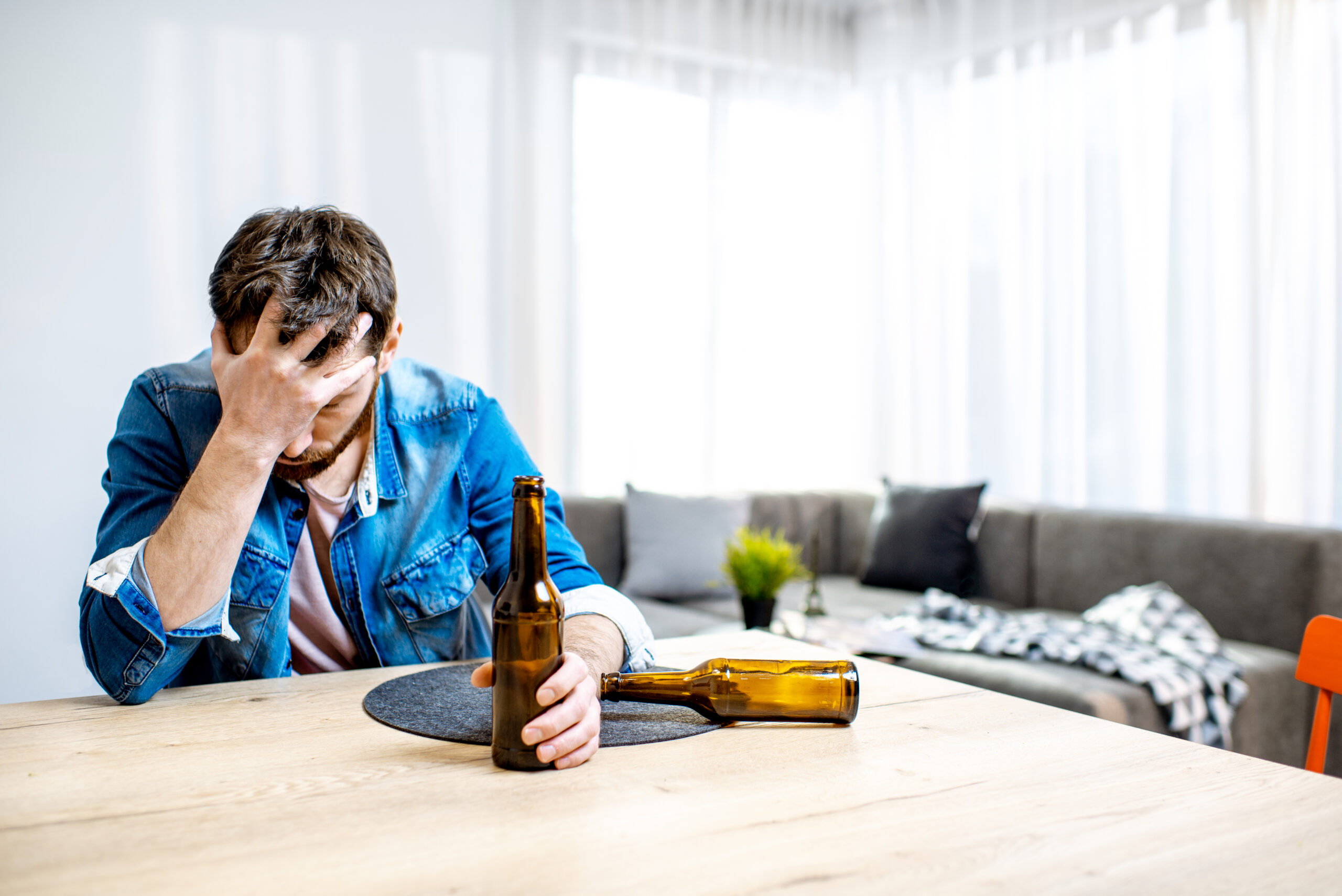
While some may use drugs and alcohol for enjoyment or as a distraction, others may turn to them as a form of self-medication. However, it’s crucial to understand that these substances can have detrimental effects on your mental health, which we will delve into in this article.
Why Do People Take Drugs And Alcohol?
From taking drugs or alcohol out of just curiosity to using these substances as a part of coping with your health condition, there are different reasons for using drugs and alcohol that depend from person to person. The most common reasons why people may use these substances are:
People may start taking drugs just out of curiosity or to feel like they are part of a group. It may start small, but if you enjoy the experience, then you’d like to continue taking these substances in the future.
This can form a habit, and soon, you’ll turn to drugs and alcohol when you are feeling isolated, stressed, or restless. This can become a coping mechanism in your life.
Luke Coutinho, a lifestyle expert and co-founder of GOQii, a digital healthcare platform that offers personalized coaching, says that people use alcohol and drugs as their coping mechanisms that make their well-being worse. He quotes:
“There are people who are doing it throughout their lifetime, and they have zero health problems. And some people are doing some of it and messing up their lives. But yes, if you’re going through mental and emotional disorders, moving towards a drug or too much alcohol is only a coping mechanism; it’s going to make you worse, not better.”
Apart from people trying to self-medicate to overcome the symptoms of a condition, people can also try different drugs if given a diagnosis by a doctor. This situation, where a person has both a mental health disorder and a substance use disorder, is called ‘co-occurring’ or ‘dual diagnosis’.
Though drugs and alcohol can put you in a positive mood and make you feel nice in challenging times, in reality, they make your condition worse, and you can become dependent on them in your life and use them constantly.
Affect Of Drugs And Alcohol On Mental Health
Alcohol and drugs can impact your mental health in a variety of ways. Different drugs can have different reactions that may lead to the development of long-term mental health illnesses or exacerbate pre-existing conditions.
The continuous use of alcohol can impact your mental health, as research has found that there is an interlink between the use of alcohol and mental and behavioral disorders. Some people with a mental condition can find it problematic to intake alcohol.
Since alcohol is legal in most places, it is easier to acquire in comparison to drugs, and that’s why the chances of people with mental illnesses turning towards this substance are more in comparison to getting drugs.
Another study showed people who drank heavily had more chances of developing depressive symptoms and poor life satisfaction and well-being.
Some common ones and how they affect mental health:
Cannabis: A common drug for most, cannabis can increase your risk of developing chronic mental health conditions like depression, anxiety disorders, psychosis, and schizophrenia caused by neurochemical imbalances in the brain due to the intake of the drug.
Stimulant drugs: Stimulant drugs like cocaine and amphetamines can cause a person to feel depressed or anxious. They can also cause feelings of paranoia at different times. These drugs can also trigger symptoms of primary mental health conditions like psychosis and schizophrenia.
Psychedelics or hallucinogenic drugs: Drugs like LSD and magic mushrooms can make you feel isolated, cause memory problems, and cause flashbacks.
Mental Health Conditions that Can Arise Due To Drugs And Alcohol
Some people think that recreational drugs can be helpful to overcome their mental health conditions. But the use of either drugs or alcohol in your life can make the symptoms of your condition worse. Here are the mental health disorders that can be caused by drug and alcohol use:
- Clinical depression
- Anxiety disorders
- Bipolar disorder
- Attention-Deficit/Hyperactivity Disorder (ADHD)
- Post-Traumatic Stress Disorder (PTSD)
- Schizophrenia
- Personality disorders like borderline personality disorder (BPD) and antisocial personality disorder (ASPD)
And more…
Drugs and alcohol can also give rise to some of the most major physical health conditions. Some of these include hypertension, heart conditions like strokes, problems in the liver and pancreas, and the development of cancer in the liver, mouth, and other body parts.
Treatment
Integrated mental health treatment models that address both alcohol and drug use alongside mental health issues show promising results. They can improve recovery trajectories while enhancing one’s overall health. Following are some ways to treat a patient with drug or alcohol problems that will help them in their journey:
Behavioral Therapy
Different behavioral therapies, like talk therapy, cognitive behavioral therapy (CBT), and more, have been known to show positive results. They can be used to treat individuals with co-occurring diagnoses and mental disorders. Healthcare professionals can recommend behavioral therapies alongside medications or as is.
Medications
There are effective medications available that are adjusted to the level of severity of your mental health issues before starting drugs or alcohol. However, it is not a necessary treatment strategy and may be prescribed to those who haven’t responded much to therapy on its own. Certain medications a health professional prescribes might help treat more than one disorder.
Conclusion
While drugs and alcohol may provide temporary relief, it’s important to remember that they can have long-term negative effects on your mental health. By taking preventive measures such as early interventions by healthcare professionals, behavioral therapies, and other treatments as advised by doctors, you can take control of your well-being and health.
