


Key Takeaways
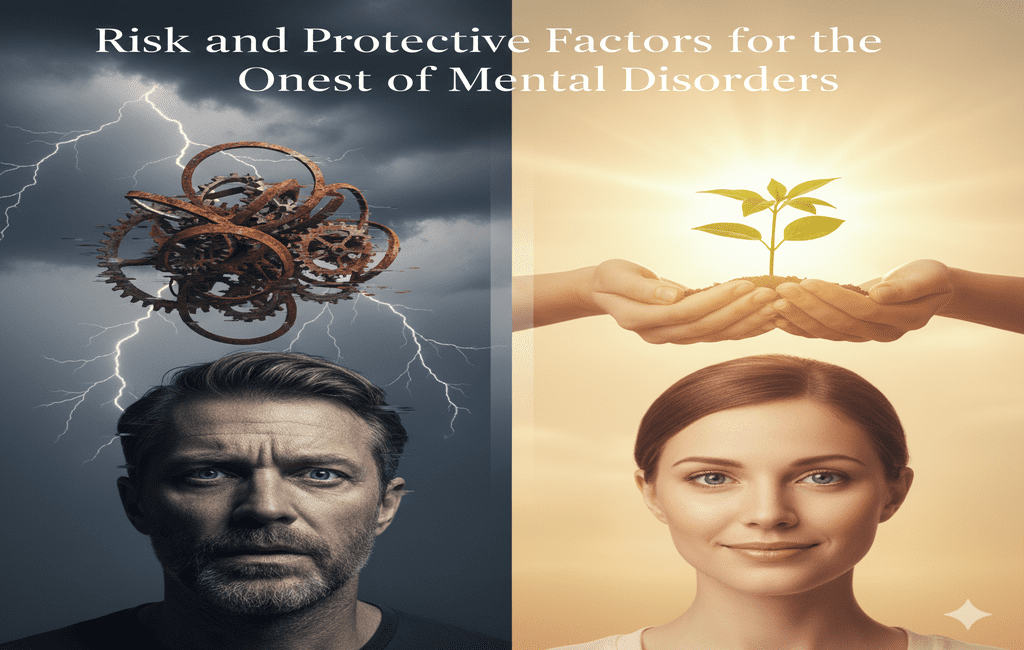
Lack of family and social connections, social stigma, and traumatic events are some of the most common risk factors for mental health disorders.
Protective factors for the onset of mental health disorders include being resilient, optimistic, having strong social connections, and having a strong sense of moral beliefs.
Risk and protective factors are intricately interconnected
, forming a complex web that influences the onset of mental health disorders. Understanding this interplay is crucial for effective treatment and prevention.
It is essential to know one’s risk and protective factors to treat a person’s mental health condition and suggest intervention strategies.
Managing mental health can be complex, but with the guidance of medical professionals, understanding one’s risks and protective factors can lead to effective treatment. The more protective factors a person has, the less the impact of risk factors, offering hope and reassurance.
Risk and protective factors are not set, and everybody has different ways of experiencing things. It’s to understand what they are and how they can impact the onset of mental health disorders.
What are Risk and Protective Factors?
Protective factors are characteristics that can increase the chances of developing a mental disorder. Some common risk factors include genetics, unemployment, lower socioeconomic status, stressful life situations, substance use, suffering from chronic health problems, and low-income family or community relationships.
According to a study done on the topic, risk factors might not cause a disorder; rather, they might only indicate the possibility of one.
Protective factors are characteristics that can lower the impact of risk factors. These factors act as a countering event to the risk factors. Having or building strong family and social connections, setting development goals, and gaining problem-solving skills are common protective factors that can help balance the effects of risk factors.
Another important protective factor is cognitive reappraisal, which is the ability to reframe a situation in a more positive light, thereby reducing its emotional impact.
Research underscores the importance of early intervention and preventive measures in managing mental health. Understanding one’s risk and protective factors can empower individuals to take proactive steps in their mental well-being.
Common Risk Factors
Risk factors are divided into different categories, such as special, spiritual, psychological, and biophysical. These factors can cause or trigger somebody to develop a mental disorder. Here are some of the most common facts we encounter today:
Genetic Predisposition
Genetic predisposition is among the most common risk factors, as having a mental illness in your family may influence neurotransmitter function, which can result in the onset of a mental health condition.
Cognitive Factors
Cognitive biases, such as negative thinking patterns like dwelling on negative thoughts, false consensus, and other similar factors, can contribute to chronic mental health disorders such as depression and anxiety.
Chronic Health Conditions
Chronic conditions or disorders like cancer, diabetes, heart disease, and chronic pain can trigger different mental health problems. This happens because of the pain and stress the individual might be under.
Social Environment
If you have negative experiences within your relationships, then it can result in the onset of a mental health disorder.
Traumatic Life Events
It’s challenging to overcome traumatic events like being in war, and being a victim of abuse or neglect can lead to different mental health problems like depression, stress, anxiety, and PTSD.
Poverty
Difficult access to resources, education, healthcare, and other opportunities due to poverty is linked to the onset of mental disorders.
Discrimination
Discrimination against race, gender, ethnicity, or any other factor can foster feelings of worthlessness and depression, which can increase the risk of developing mental health conditions.
Social Stigma
The stigma attached to mental problems is a big problem in society. Social stigma refers to the negative attitudes and beliefs that society holds about mental illness, leading to discrimination and isolation. As a result, people hesitate to seek help, which can worsen a person’s mental health over time.
Dr. M.G. Kartheeka, MBBS, MD (Pediatrics), suggests a way on what we can do to care for our mental health:
“Mental illness is still a stigma in India. The most important thing is to seek a psychiatrist’s help. Like we do general health checkups yearly, one should always do a mental health checkup.”
Bullying
Not only as the victim of bullies but even bullying someone at any stage of life as a perpetrator can also impact your mental health.
Common Protective Factors
Protective factors can act as a shield to lower the impact of risk factors and promote resilience when it comes to the onset of mental disorders. Here are some examples of popular protective factors:
Healthy Coping Mechanisms
Positive coping skills, such as exercising, participating in mindfulness activities, breathing exercises, and more, help you maintain your mental and emotional well-being and manage difficult or stressful situations.
Resilience
When you can bounce back from challenges and adjust to challenging circumstances, you can develop positive self-belief and inner strength.
Positive Self-Esteem
Self-confidence helps in different areas of life, and it can even help against chronic mental health conditions like depression and anxiety.
Optimism
Optimism is often overlooked, but if you think positively about yourself and others, you will be able to view life in a positive light, which can help you overcome difficult situations, including managing your mental health.
Strong Family and Social Support Networks
Having or building supportive relationships with friends, family, and the community gives you an emotional boost and even a sense of belonging. This helps you think positively and can help you overcome mental health problems, too.
Access to Mental Health Services
If you can afford professional mental health care, then you can receive treatment and support right from the onset of a mental health condition that can help in your journey.
Set of moral beliefs
Apart from setting strong goals for yourself, developing a strong sense of moral beliefs can give you confidence and make you feel positive, which can eventually help you tackle mental health problems.
Conclusion
It’s important that patients and professionals both learn their risks and protective factors so that their treatment plan is best made accordingly based on the dash that works on an individual. Knowing risks and protective factors can help in understanding the onset of mental disorders.
