


Key Takeaways
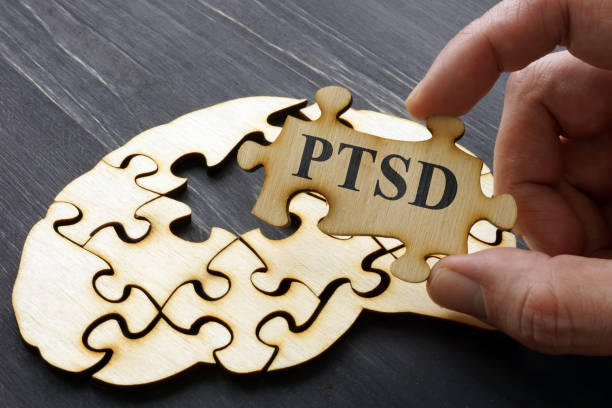
PTSD is a mental health disorder that brings stress to a person again and again after experiencing a traumatic event.
The most effective ways to manage PTSD involve seeking professional help, such as therapy and prescribed medications, along with practicing self-care. These treatments, when combined, can significantly improve your quality of life.
What is PTSD?
PTSD, an acronym for Post-traumatic Stress Disorder, is a mental health condition that can develop after experiencing a traumatic or distressing event in your life. It’s important to remember that you’re not alone in this, as approximately [13 million people] go through PTSD each year.
Events such as accidents, wars, combats, bullying, and more are common causes of PTSD. The symptoms of PTSD can not only affect your mental health but also serve as a disruption in your daily life. However, by seeking treatment for this condition, you are taking a powerful step towards managing your symptoms and regaining control of your life.
Dr. C R Satish Kumar, a Clinical Psychology Consultant at Manipal Hospital, Bengaluru, says:-
“It [PTSD] is associated with nightmares. People who experience PTSD wake up at night, in a stressful way, breathing heavily, with their increased heartbeat, and it is always associated with sadness, with a preoccupation with thoughts and worries.”
If you think that you have PTSD, then you can fill out a questionnaire for the same, which will help a mental health professional assess your mental health condition.
Treatments for PTSD
If you have post-traumatic stress disorder, then there are a wide variety of options to suit you according to the severity of the condition and your preferences. By seeking the following treatment modalities, you can heal with time.
1.Joining Therapy
Different forms of psychotherapy have shown great results and have a positive effect on your health. When you talk to a mental health professional like a psychologist or psychiatrist who knows and understands your situation, they can help you cope with your symptoms and make progress in your condition.
It may take some time, but you can start to see positive changes in your life through different means. The professional may also recommend some coping mechanisms, like deep breathing and concentration activities, that you can try when you feel you are going through a hard or challenging situation.
Today, telehealth can also be helpful to continue therapy sessions. This form consists of communicating between you and your doctor through the Internet, which can be convenient for the patient. Remember, you are not alone in this journey. There are support groups and therapists who are there to understand and help you.
According to a study done on PTSD’s traditional treatment methods, some barriers come in between the care of the patient, like waiting times, stigma, and avoidance. The research has found that Brain Working Recursive Therapy (BWRT) can be a powerful way to treat PTSD. It can have a long-lasting effect on the patient in a faster way.
2. Medication
Medicines like antidepressants and antianxiety can be prescribed to you by your doctor if they feel your condition requires them. The medication will help you control and cope with the symptoms of depression, anxiety, or stress that PTSD can cause.
Doctors can advise antidepressants like Selective Serotonin Reuptake Inhibitors (SSRIs), as they will increase the levels of serotonin in the brain, which, in turn, helps with symptoms of anxiety and depression.
However, it’s important to remember that medication alone will not be able to make your condition better or make you come out of it. As Dr. Hanu Damerla, an adult, child, and adolescent and forensic psychiatrist, says:
“There is a role for psychotropic medications and post-traumatic stress disorder, or PTSD. However, the mainstay of treatment for PTSD is not medication treatment. It’s not like you give medication and the post-traumatic stress goes away; that’s relevant for kids as well as adults.
The medications can help to immediately relieve the stress so that the kid can come back up to the physiological playing field, or the adult who has PTSD can relieve their intense anxiety so that they can participate with their therapist and address their trauma, which is causing the dysfunctionality. So, in other words, it is a two-track approach.”
3. Healthy Lifestyle Interventions
There are many ways to make positive changes in our daily schedules that will benefit our mental health and overall well-being.
For example, eating a balanced diet will keep our body and mind active by regulating neurotransmitter levels. Engaging in regular physical activity can keep you busy and reduce the symptoms of PTSD. A proper sleep of at least 7-8 hours is considered good sleep hygiene and can be achieved by creating a bedtime routine.
4. Joining a Support Group
By joining a support group, you can meet and connect with others who have gone through similar events. This will save you from feeling lonely and isolated while receiving and providing emotional support.
Apart from joining a support group, your condition can also benefit from having or building a support system of friends and family members so that you have others to help you in your journey.
5. Evidence-based therapies
Some of the most effective therapies for PTSD are evidence-based, meaning they have been proven to work through rigorous scientific research. These include Cognitive Behavioral Therapy (CBT), Eye Movement Desensitization and Reprocessing (EMDR), and Prolonged Exposure (PE). These therapies have shown significant benefits in helping individuals overcome the effects of PTSD.
According to a study, trauma-focused therapies, which are delivered individually and involve the therapist using a manual, showed the most benefit in treatment out of the many therapies researched.
6. Mindfulness activities
Self-care and mindfulness activities like gratitude journaling, yoga, meditation, body movements, and more make you emotionally and mentally aware and accepting of the surroundings around you. They keep you refreshed and relaxed. You will also develop a greater capacity for stress resilience.
Conclusion
Though living with serious mental illnesses like PTSD can be challenging, today, you can find many treatments that are effective and are available to help you with symptoms. PTSD management through different counseling and therapies, the intake of prescribed medicines, and practicing mindfulness activities can help a person get better and lead an overall balanced life.
