


Key Takeaways
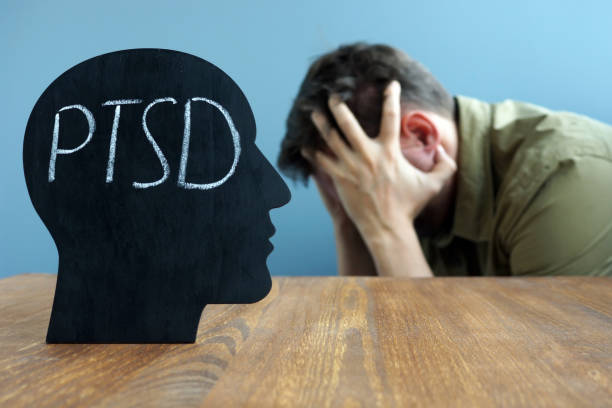
PTSD is a mental health condition that may develop after experiencing a traumatic event.
Symptoms of this disorder can include nightmares, flashbacks, a negative mood, anger outbursts, irritability, and more.
The most common way to treat PTSD is through a combination of prescribed medicines, counseling, and evidence-based therapies such as Cognitive Behavioral Therapy (CBT), Eye Movement Desensitization and Reprocessing (EMDR), and Prolonged Exposure Therapy (PET).
What is PTSD?
Post-traumatic Stress Disorder (PTSD) is a mental health condition that happens when you can’t come out of a trauma that has happened in your life. Approximately 13 million people go through PTSD each year.
So, if you are feeling depressed, stressed, or experiencing similar emotions after going through a traumatic experience for a long time that has started to interfere with your daily life, then you might have PTSD.
Dr. C R Satish Kumar, a clinical psychology consultant at Manipal Hospital, Bengaluru, says:
“PTSD is all remembering that moment, that incident, what happened? as a traumatic event that brings stress again and again. PTSD is that one moment that draws stress to you.”
Causes of PTSD
People who have gone through a life-changing traumatic or distressing event and who cannot get out of it develop PTSD. This condition has different causes, and its severity can differ from person to person.
Some of the most common causes of PTSD include:
- Accidents
- Natural Disasters
- Physical or sexual assault
- Any abuse ( verbal and sexual)
- War
- Combat
- Bullying
- Severe injury or health problem(s)
- Childbirth experiences
Dr. Kumar narrates which people are most likely to get PTSD:
“People who have been in a natural disaster, say, people who are veterans, who are retired from the military, are the people who are seen to have PTSD to a great extent. And some girls have been molested, who have been sexually assaulted, and they go through PTSD almost all their lives.”
Symptoms of PTSD
Just like doctors can diagnose any other condition, a person with PTSD will also go through some symptoms that will help in the diagnosis of the mental health condition. Among the most common symptoms of PTSD are:
1. Intrusive Memories
If you are going through flashbacks, recurring negative memories, nightmares, or distressing thoughts related to the traumatic event, then you might have PTSD.
2. Avoidance
Another common symptom of PTSD is avoidance. This can involve avoiding places, people, or activities that remind you of the traumatic event, or even avoiding talking about the event. If you find yourself avoiding these things because they trigger distressing memories or feelings, it may be a sign of PTSD.
3. Negative Shifts in Mood and Thought Patterns
Negative thoughts, moods, and emotions like shame or guilt in your daily life are frequent signs of post-traumatic stress disorder (PTSD).
4. Emotional and Physical Changes in Reactivity
You may be more prone to outbursts of anger and irritability. You may also react recklessly and self-destructively and have problems concentrating, decision-making, and sleeping.
Diagnosis
For the diagnosis of Post-traumatic Stress Disorder, the individual experiencing the symptoms of the condition will have to fill out several assessments that will help in determining if they indeed are suffering from the said mental health disorder.
For the diagnosis of this mental health condition, you must have gone through a traumatic event that is now affecting your life for at least a continuation of one month. It can show results in different forms, like nightmares, flashbacks, negative alterations in mood, and other symptoms.
After a thorough evaluation, a mental health professional, such as a psychologist or psychiatrist, will develop a personalized treatment plan for you. This may include a variety of therapies and medications, all aimed at gradually improving your condition and quality of life.
If you suspect you may have PTSD, your mental health professional may ask you to complete a self-reporting assessment. These assessments are designed to help evaluate your mental health and determine if you are experiencing symptoms consistent with PTSD. Only after a comprehensive evaluation will your doctor be able to confirm a diagnosis.
Treatment for PTSD
Like most other mental health disorders, the treatment for PTSD also goes through therapy, support meetings, and taking the recommended medications. Following is an overview of the effective treatments available for this condition:
1. Seeking Therapy
A mental health professional like a psychologist or psychiatrist will consult you. Over time, they will go through talk therapy over different sessions that will help them cope and take control of their condition’s symptoms.
They can also provide you with healthy coping mechanisms, such as deep breathing, concentration exercises, and more, according to your condition and preferences, that help you overcome a challenging time and relax.
2. Medication
Your doctor may prescribe some medications to control and manage your situation if required. Generally, mental health professionals advise antidepressant and anti-anxiety medicines to cope with the symptoms of other mental health conditions like depression and anxiety that people with PTSD often suffer from.
3. Evidence-Based Therapies
Different therapies, like Cognitive-behavioral therapy (CBT), Cognitive Processing Therapy (CPT), and Prolonged Exposure, are considered highly effective for treating PTSD. They go on for several sessions in which the patient learns to develop healthy coping strategies for their condition. According to research, trauma-focused CBT, PE, and CPT are the best treatments for this mental health condition, providing you with the confidence that there are effective solutions available!
4. Join a Support Group
Through support groups, you connect with others going through the same conditions and situations; this can make you feel less isolated or lonely. If you have a strong support system of friends and family members, then it can also help you in your PTSD recovery process.
Conclusion
Post-traumatic Stress Disorder is a challenging mental health condition that can take some time to get control over. However, it’s important to remember that individuals with PTSD are incredibly resilient. With the right treatment and support from mental health professionals, they can build coping strategies and manage their symptoms, leading to an active and productive life.
